
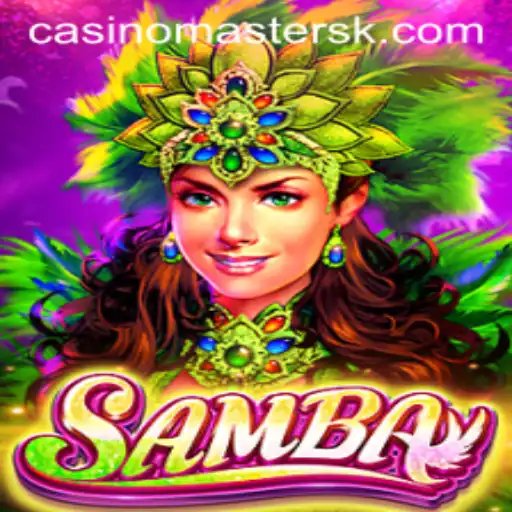
Introduction to Samba: A Game That Dances to Its Own Beat
The world of games is a diverse landscape where innovation meets tradition. Among the myriad of games that have captured the attention of enthusiasts, Samba stands out as an intriguing blend of rhythm, strategy, and coordination. With its unique mechanics and engaging gameplay, Samba offers players the opportunity to delve into a vibrant and dynamic world of entertainment.
The Origins of Samba
Samba finds its roots in a rich tradition of strategic and rhythmic games. Although the name may bring to mind the lively Brazilian dance, this game is very much its own entity. Its creation was inspired by a desire to combine the cerebral challenges of strategy games with the physical engagement required in rhythmic activities. The blend of these elements gives Samba a distinctive flavor, attracting a wide audience from casual players to serious strategists.
Understanding the Game Mechanics
At its core, Samba is a game that thrives on the balance between strategy and coordination. It demands players to synchronize their movements with the rhythm of the game while plotting their strategies to outwit opponents. The game typically involves multiple players, each tasked with a series of moves that must be executed in harmony with other participants.
The Role of HHNN in Samba
A key aspect of Samba is the integration of the HHNN element, which stands for 'Harmony Hidden Number Network.' This innovative feature introduces a layer of complexity, requiring players to uncover hidden numbers within a network that interacts with the rhythm of the game. This element challenges players to use both deductive reasoning and spatial awareness, ensuring each round is as engaging as it is challenging.
Getting Started: Setting Up the Game
To begin a game of Samba, players must establish a play area that accommodates the rhythmic movement the game demands. This often includes a designated space where players can move freely, unencumbered by obstacles that might disrupt their flow. The game is ideally played with music that complements the tempo of the gameplay, setting the pace for the movements and the strategic decisions that players must make.
Rules and Objectives
The primary objective in Samba is to accumulate the highest score by successfully coordinating actions and uncovering HHNN elements. A typical game consists of several rounds, each with its own unique challenges and opportunities. Each turn allows the player to choose between moving strategically to position themselves advantageously or attempting to discover hidden numbers that boost their score.
Key Rules
- The game is played in rounds, with each player having an equal number of turns per round.
- Players must synchronize their movements with the rhythm provided by the selected game music.
- The HHNN elements are strategically placed within the game area and must be identified through both logical deduction and spatial awareness.
- Players earn points by successfully discovering HHNN elements and coordinating their movements in alignment with the rhythm.
- The player with the highest score at the end of all rounds is declared the winner.
Strategies for Mastering Samba
Mastering Samba requires a blend of strategic thinking and rhythmic coordination. Players are encouraged to develop a keen sense of timing, ensuring that their moves are not only strategically sound but also in harmony with the beat. Additionally, successful Samba players often devise complex strategies that involve predicting opponents' moves, optimizing their own positioning, and making calculated risks to uncover HHNN elements.
Current Trends and Events
The popularity of Samba has grown significantly in recent years, with numerous events and tournaments being organized globally. Part of its appeal lies in its dynamic nature and the community that has evolved around it. Recent events have highlighted the increasing diversity of the player base, as well as the game's ability to unite enthusiasts from various backgrounds in a shared passion for strategy and coordination.
As more people continue to discover the allure of Samba, its reach expands, creating vibrant communities both online and offline. The game's adaptability to various cultural contexts ensures its ongoing relevance and appeal.
Conclusion
Samba is more than just a game; it is a testament to the creativity and ingenuity that drives the world of modern gaming. By blending rhythm with strategy, it offers players a unique and engaging experience. As its popularity continues to rise, Samba stands as a shining example of the power of games to entertain, challenge, and bring people together.
Dive into the world of Samba, a captivating game that combines coordination, strategy, and entertainment. Learn about its introduction, gameplay, and rules.