

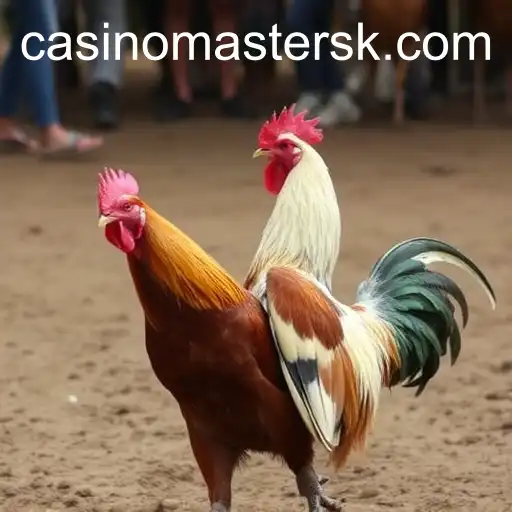
Understanding Rinha de Galos: The Controversial Practice of Cockfighting
Rinha de Galos, known internationally as cockfighting, is a traditional event deeply rooted in various cultures around the world. Despite its longstanding history, this practice has become a subject of heated debates due to ethical, legal, and animal welfare concerns. In this article, we delve into the intricate world of Rinha de Galos, examining its historical significance, cultural impact, and the ongoing controversies that shape its current state.
The Historical Roots of Rinha de Galos
Cockfighting has a history that spans thousands of years, with its origins traced back to ancient civilizations. Evidence suggests that the sport was popular in regions such as Southeast Asia, the Middle East, and the Mediterranean as early as 3,000 years ago. The practice gained further popularity during the Roman Empire, eventually spreading to other parts of the world through trade and colonization.
In many societies, cockfighting was not just a form of entertainment but also played a role in religious and cultural rituals. Roosters were often seen as symbols of bravery and strength, making them fitting participants in these fierce competitions. The game became a display of skill for breeders and trainers, who would invest significant resources into preparing their birds for battles.
Cultural Significance of Cockfighting
The cultural significance of Rinha de Galos varies across different regions. In countries like the Philippines and Mexico, cockfighting is considered a traditional sport that holds social and economic importance. It is often associated with festivals and community gatherings, where it serves as a lively spectacle that brings people together.
In some communities, cockfighting transcends its status as a mere pastime, representing a way of life. The bonds formed between breeders, trainers, and their birds are profound, with careers and reputations built on the success of these matches. Moreover, the sport can also contribute significantly to the local economy, providing livelihoods for those involved in breeding, training, and organizing events.
The Ethical Debates Surrounding Cockfighting
Despite its cultural prominence, Rinha de Galos faces significant criticism on ethical grounds. Animal rights activists argue that the practice is inherently cruel and inhumane, as it involves forcing animals to fight for entertainment, often resulting in severe injuries or death. This perspective has led to widespread movements advocating for the ban of cockfighting worldwide.
Proponents of cockfighting counter these arguments by emphasizing its historical and cultural value, often likening it to other forms of animal competition and sport. They argue that with proper regulation and oversight, the welfare of the birds can be ensured while preserving this important cultural heritage.
Legal Status and Regulations
The legality of Rinha de Galos varies drastically across different jurisdictions. In some countries like the United States, cockfighting is banned outright or heavily regulated. In contrast, other nations allow the practice to continue under certain conditions, often imposing strict licensing and welfare standards.
For example, in the Philippines, cockfighting remains legal and highly popular, governed by specific regulations that aim to address animal cruelty concerns. These regulations may include requirements for facilities, humane treatment, and veterinary care, as well as limitations on the types of weapons that can be used during matches.
Impact on Animal Welfare and Conservation
Animal welfare organizations continuously highlight the detrimental impact of cockfighting on bird populations and individual animal well-being. The breeding practices necessary for producing competitive fighting cocks may lead to genetic issues and overpopulation. Additionally, the focus on aggressive traits can undermine efforts toward conserving certain breeds in their natural form.
Conservationists are concerned that the glamorization of cockfighting could overshadow the need for protecting wild species and preserving genetic diversity. This conflict points to a broader conversation regarding our responsibility towards animals and the protection of biodiversity.
Conclusion: The Future of Rinha de Galos
The future of Rinha de Galos remains uncertain, as it continues to be at the intersection of cultural tradition and modern ethical standards. Ongoing legal challenges and shifting public opinions may dictate the trajectory of this controversial sport. As global awareness of animal welfare grows, the conversation surrounding cockfighting is unlikely to dissipate, prompting societies to reconcile their cultural heritage with contemporary values.
In a world where cultural practices are increasingly scrutinized for their ethics, Rinha de Galos stands as a poignant example of the complexities involved in preserving tradition amid changing societal norms. Whether through stricter regulations or evolving societal attitudes, the discourse on cockfighting is indicative of our collective journey towards a more humane and understanding world.